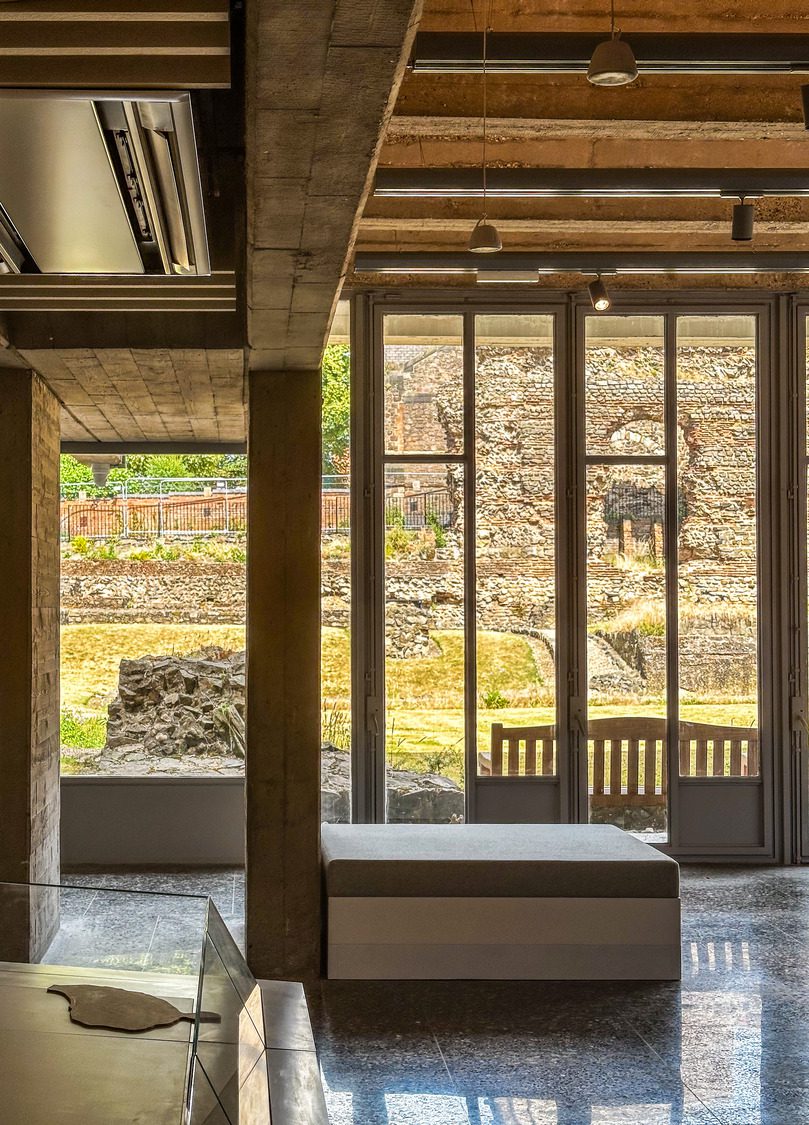
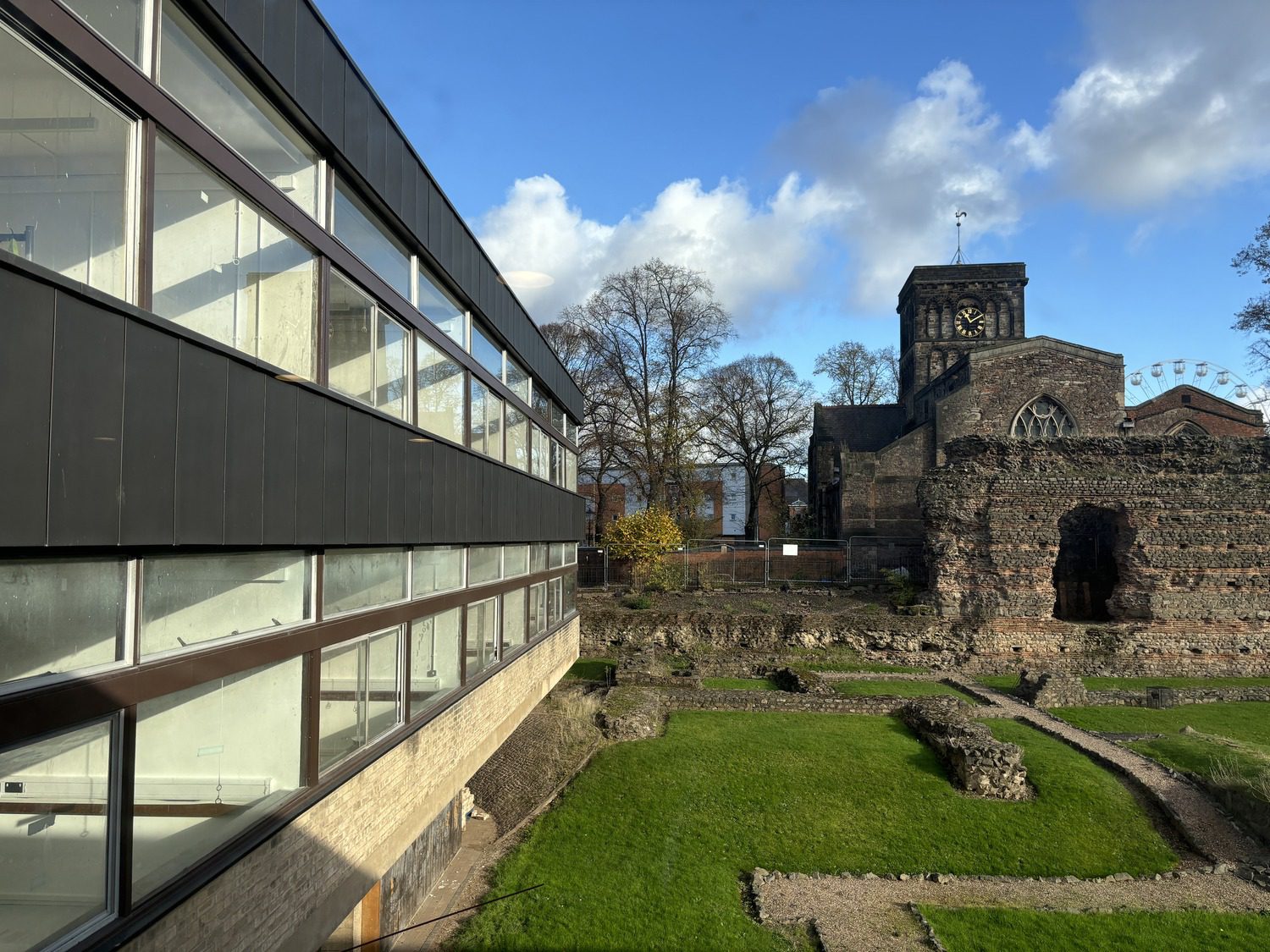
The Jewry Wall Museum, a new flagship cultural destination bringing the history of Roman Leicester to life, opened to the public in July 2025, but the journey to this point was challenging and complex.
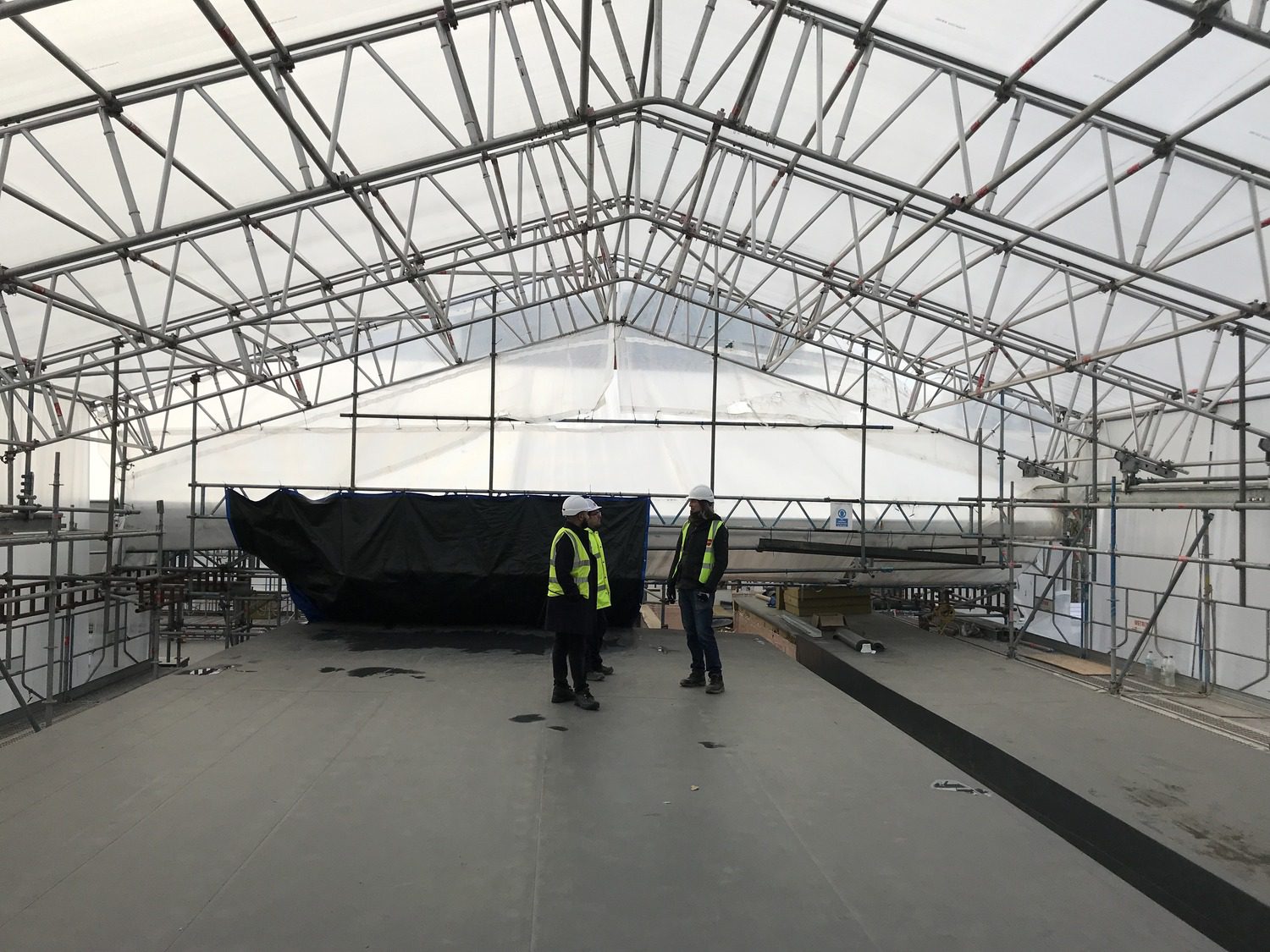
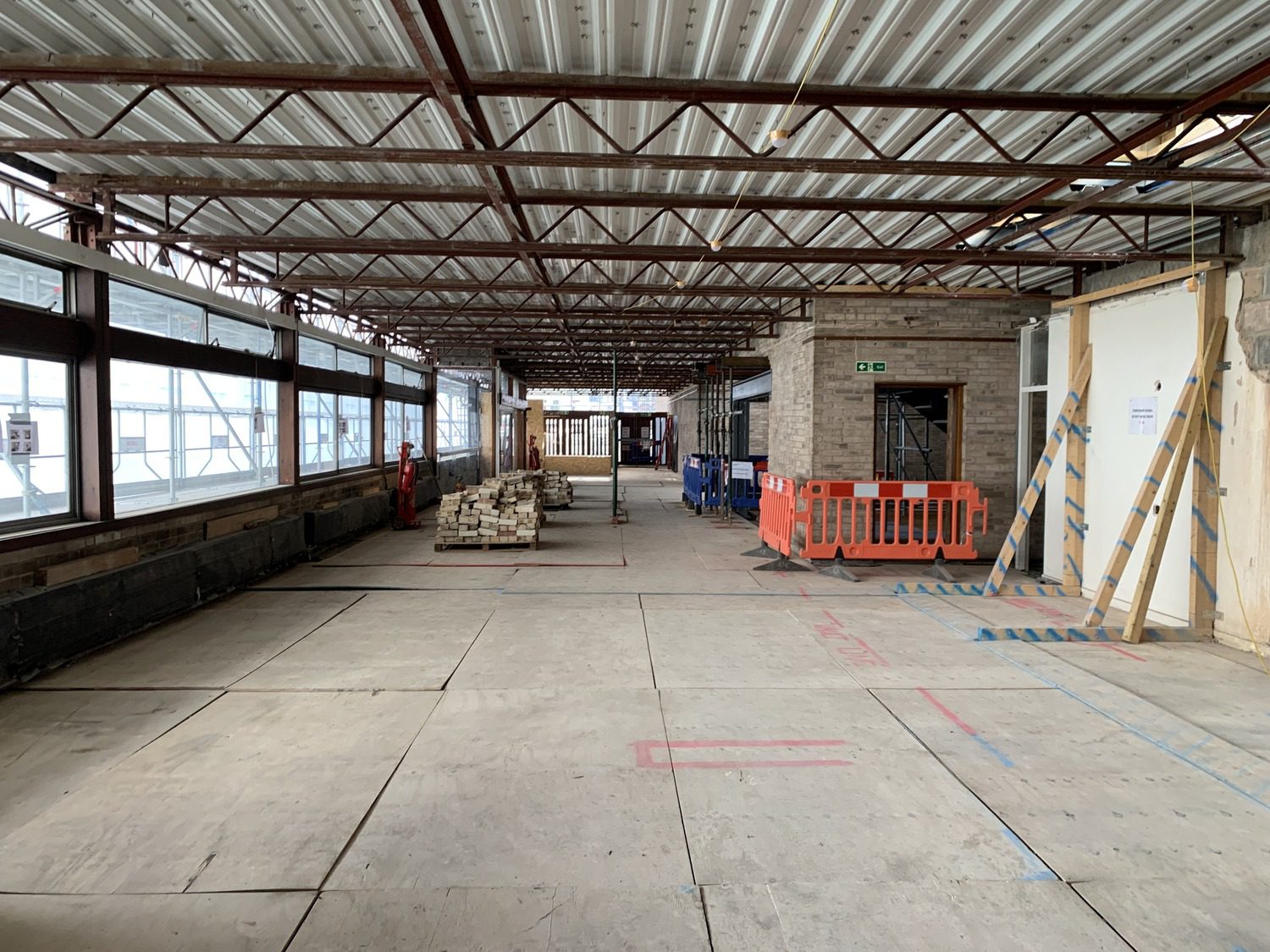
With obstacles such as extensive structural repair work, rising costs, setbacks caused by the pandemic and two contractors going out of business, maber inherited an uninhabitable building that was far removed from the immersive and inviting experience it is now.
Close collaboration with Leicester City Council’s Conservation Officers and maber, implementing a traffic light system during the recovery works to systematically bring the project back on track, were essential in transforming the former college building.
The use of modern conservation techniques on this listed building not only met the necessary repair and conservation standards but went above and beyond the client’s needs.
What we found
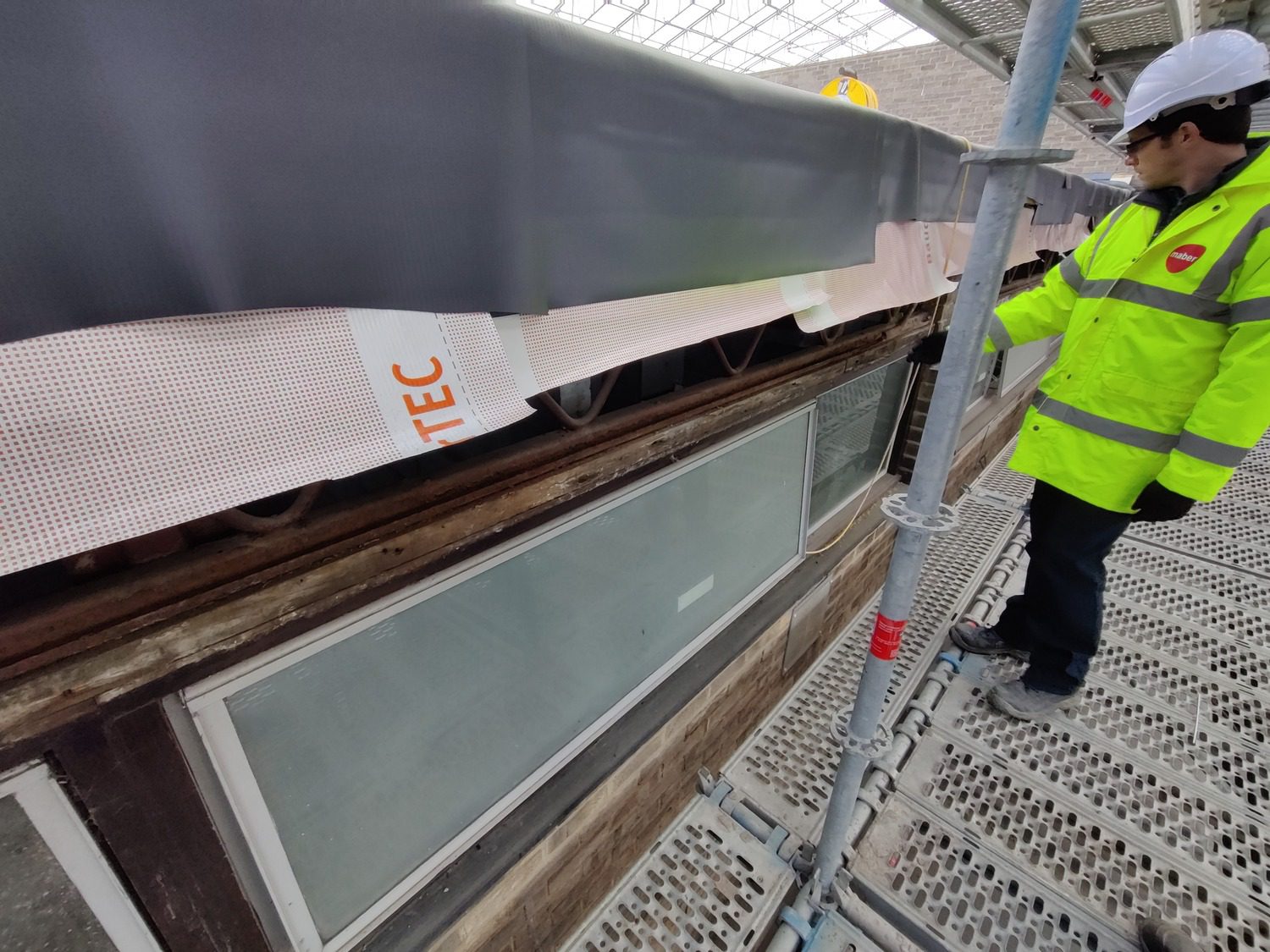
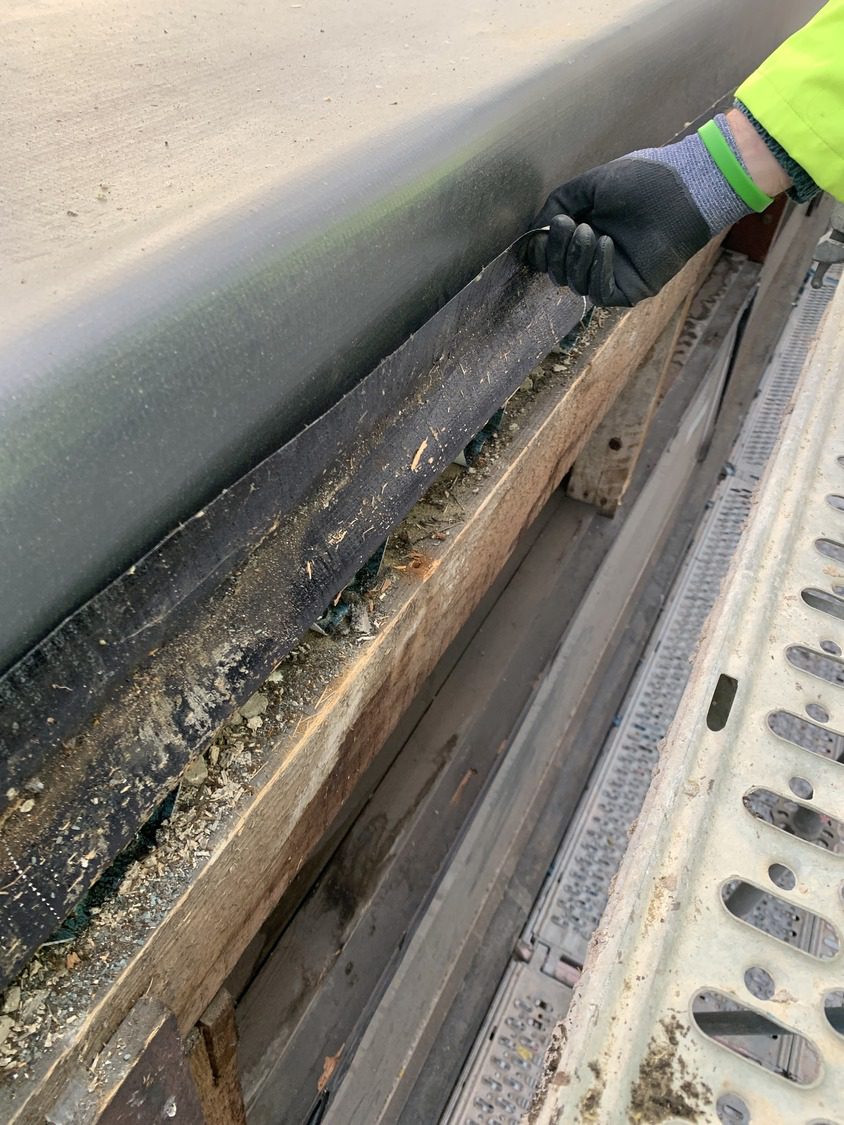
- The original detailing for the building’s original copper fascias was substandard – the detailing had no ventilation behind the metal, causing damp and rot issues. In addition, the copper itself was causing bi-metallic corrosion of the aluminium windows below.
- Surface corrosion and pollution were found on the existing steel windows and their security rating would require major improvement.
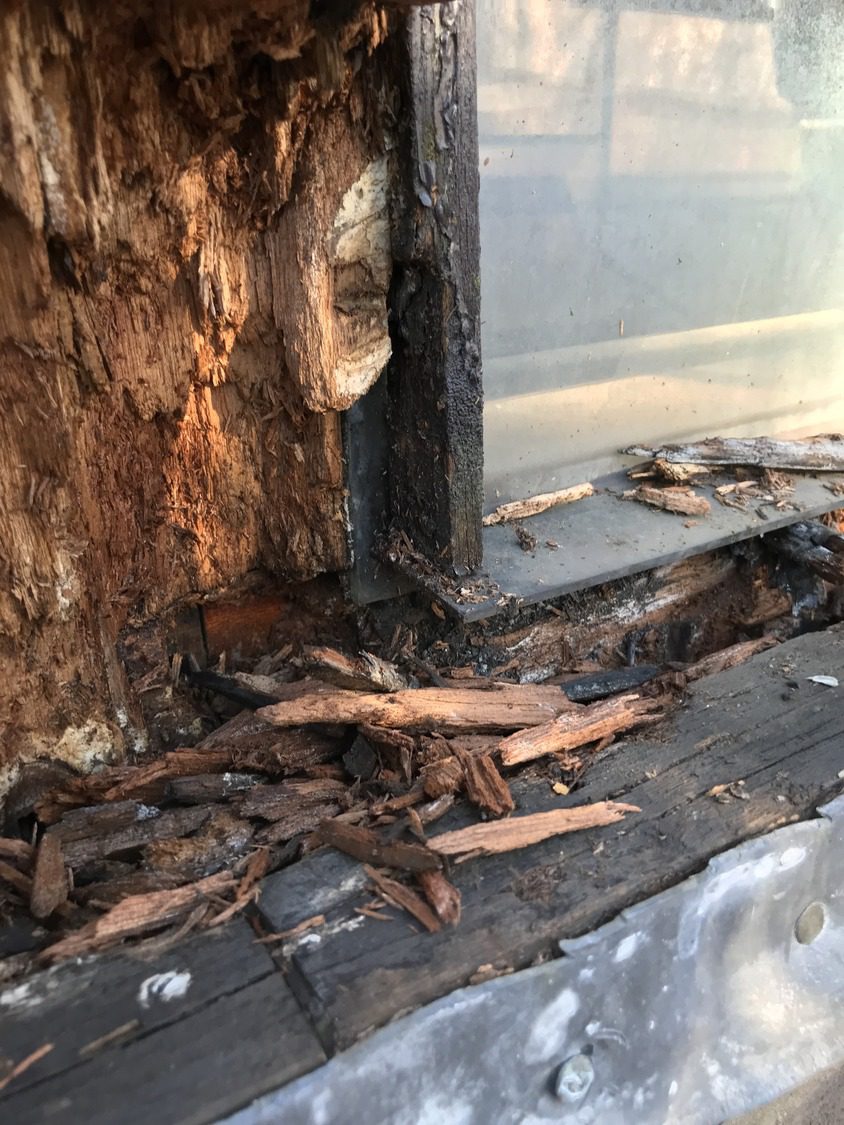
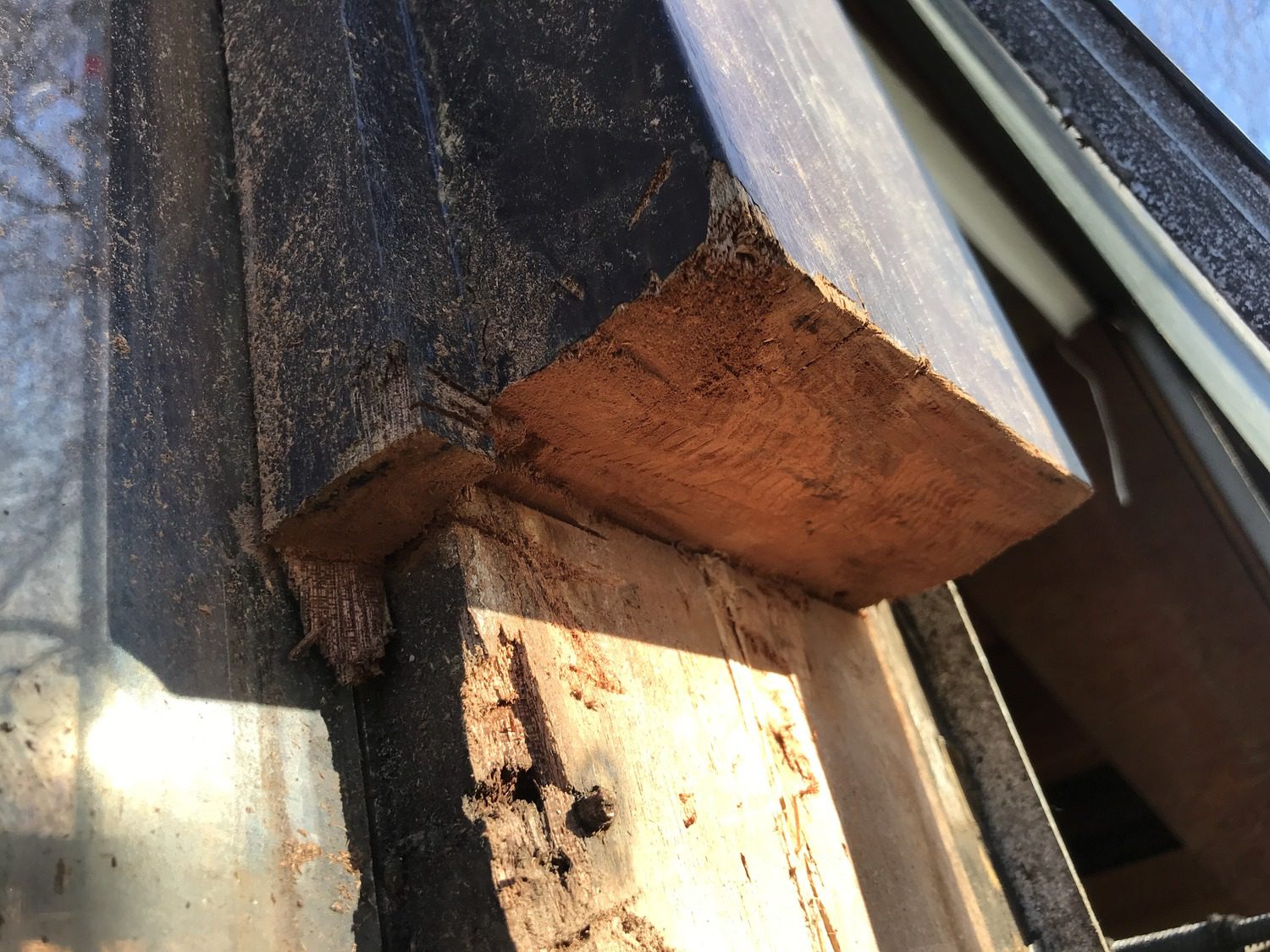
- There were significant defects to the sills and flashing of the timber elements of the windows, creating areas of standing water. This in turn had rotted the timber causing significant defects and allowing excessive organic growth.
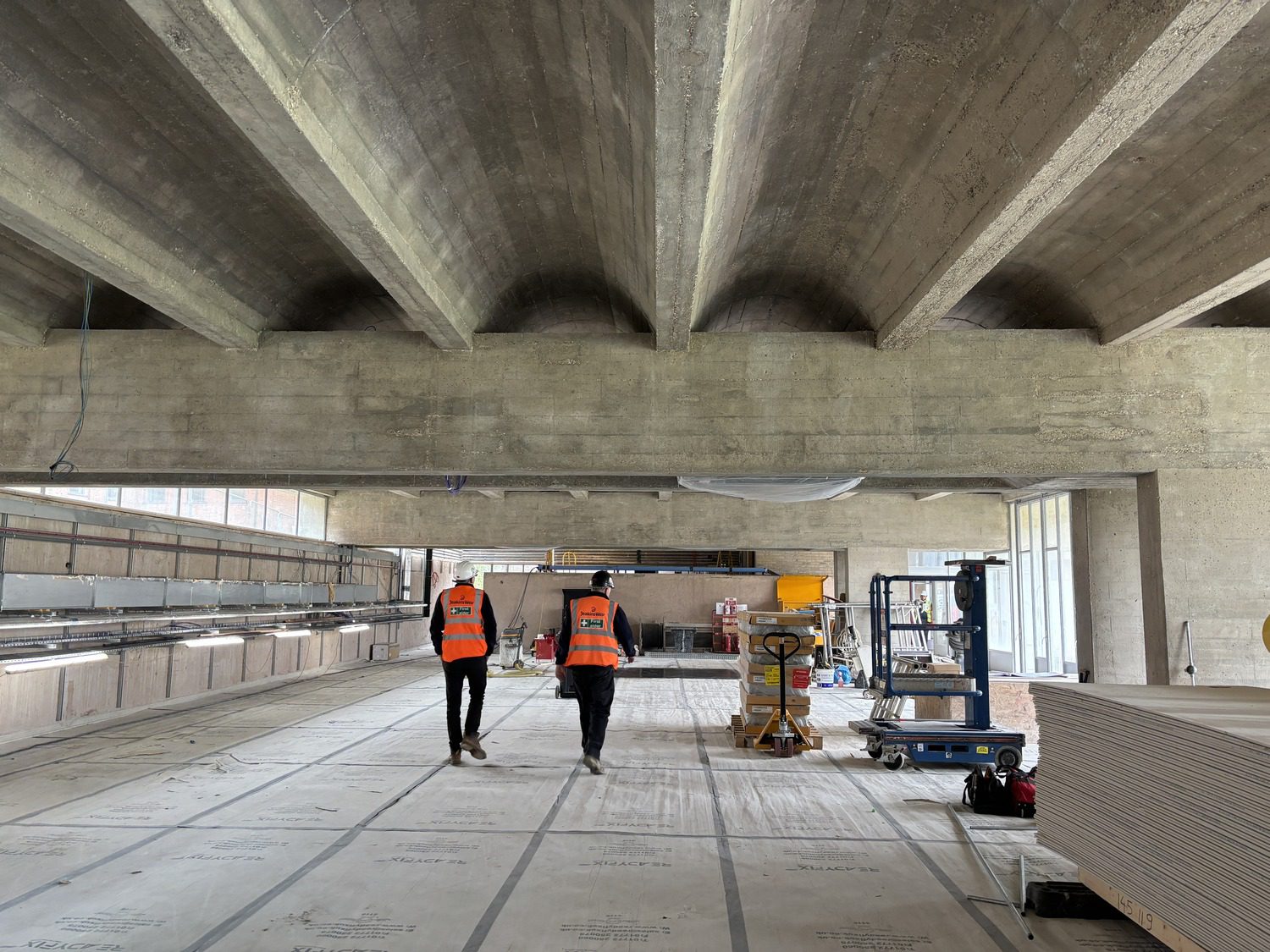
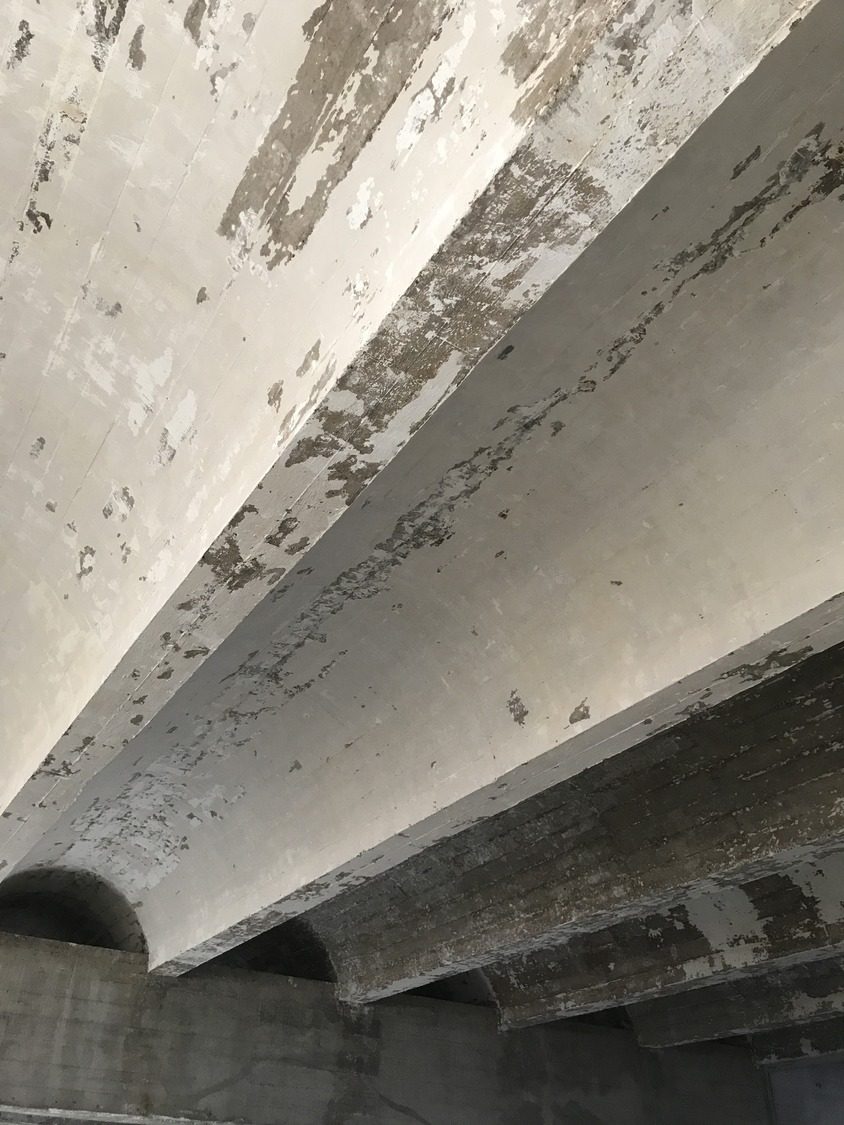
- The concrete vaulting was covered with layers of historic paint which hid the original boardmarked design and required delicate removal.
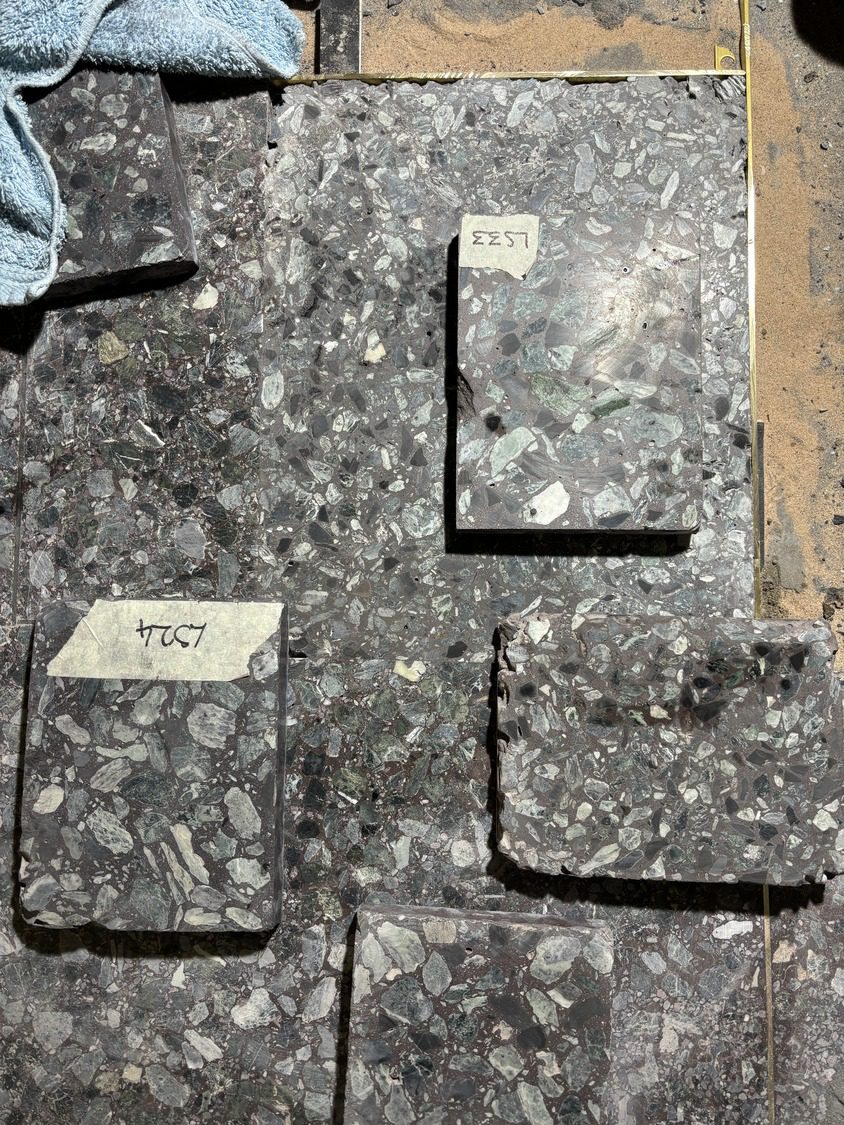
- Extensive repairs were needed to the original terrazzo floor. It was essential the repairs were consistent with the existing to maintain the appearance and original design integrity.
How maber saved the project
- Our team employed the principles of modern construction methodology to rectify the defects to the building’s original fascias, including bi-metallic corrosion and seam setting out of the primary and secondary joints.
- Extensive trials to repair and conserve the existing aluminium windows were carried out. By settling on cleaning the aluminum with a hydrochloric acid solution, we removed the surface corrosion and pollution. These were then finished with a clear ceramic coating to provide long term protection of the aluminium.
- To improve the security rating of the existing steel windows to the main exhibition space, a new-to-the-market slimmer laminated glass was introduced into the existing shallow rebates negating the need to modify the windows themselves.
- To repair the rotten timber frames and standing water issues, splice repairs to major structural elements and wholesale sectional replacements were carried out, in addition to reprofiling of existing members. As the timber was less significant in this context than it would be in much older buildings, it was agreed with the Conservation Officer that more extensive sectional repairs were possible which ultimately improves the overall longevity of the windows.
- To expose the original timber board marking of the concrete vaulting, chemical poultices were applied to soften and remove the historic paint. Following this a low pressure DOFF steam cleaning process removed the residue. An element of paint remained within the pores of the concrete and abrasive cleaning tests were carried out. Crushed glass proved the most effective and successful at removing the remaining paint without damaging the delicate board marking.
- To repair and reinstate the terrazzo floor, an extensive process of developing and reviewing over 40 terrazzo samples was carried out. Key considerations included the background colour, aggregate sizes and colours, ratios and colour distribution to ensure consistency with the existing flooring.
The Outcome
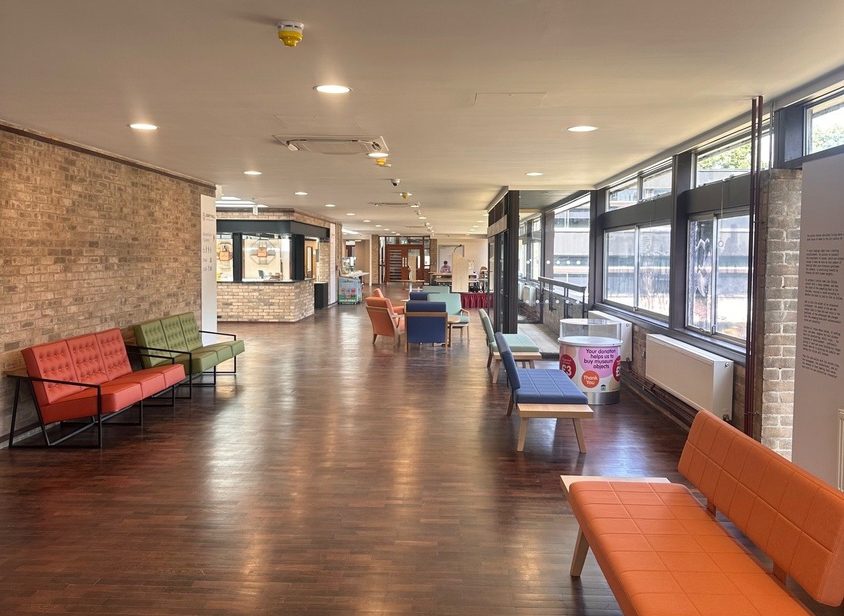
The maber team proactively ensured the continuity of the project, helping to turn the uninhabitable building into the warm and welcoming museum it is today through a pragmatic, sensitive and considered approach.
The Jewry Wall Museum opened in July 2025, featuring an expanded and modernised exhibition showcasing the history of Roman Leicester, a 270-degree immersive visual experience, easy accessibility, new cafe, gift shop and classrooms for educational use and private hire.
We are also delighted that Jewry Wall Museum has been recognised in Procon Leicester’s Awards as Winner of the ‘Large Non-Residential Scheme of the Year’ category.