It is well documented that we have a housing crisis in the UK which has emerged over time due to a perfect storm of factors.
The current new-build offer tends to fall into two camps: housing estates of 3-, 4- and 5-bedroom executive homes arranged around cul-de-sacs, often with little or no supporting amenities; or city-centre apartment blocks made up of 1- and 2-bedroom units.
While apartments clearly deliver density, traditional housing estates are inherently inefficient in their use of land.
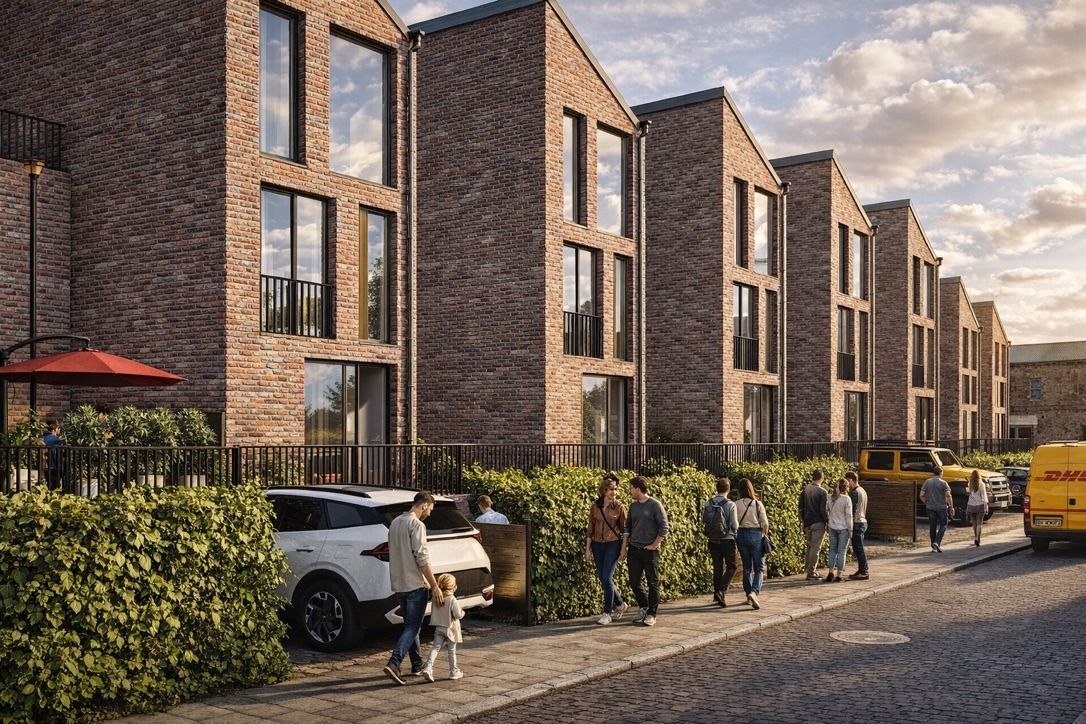
The Victorians were, in many ways, far more effective at achieving higher densities. Terraced housing, with minimal frontage and little or no garden space, allowed for compact, efficient layouts. This type of housing remains attractive today and offers the sort of small-scale, relatively affordable accommodation that suits first-time buyers.
It feels as though the market has moved away from this model of dense urban housing. That may be down to its association with historic slum conditions. However, with modern building standards and regulations, it seems reasonable to question whether that perception still holds. Perhaps it is time to revisit this approach as a means of delivering medium- to high-density housing in urban areas.
I recently stayed in a small one-bedroom cottage within a row of back-to-back terraces, which made me think about how we might provide housing that is both dense and genuinely good quality.
When I was a student, a friend of mine rented a room in a back-to-back terraced house in Leeds. The front door opened straight onto the pavement and there was no private outdoor space, yet it was a very good house.
It had a kitchen and living space on the ground floor, a bedroom and bathroom above, and a second bedroom on the top floor. It worked perfectly for their needs.

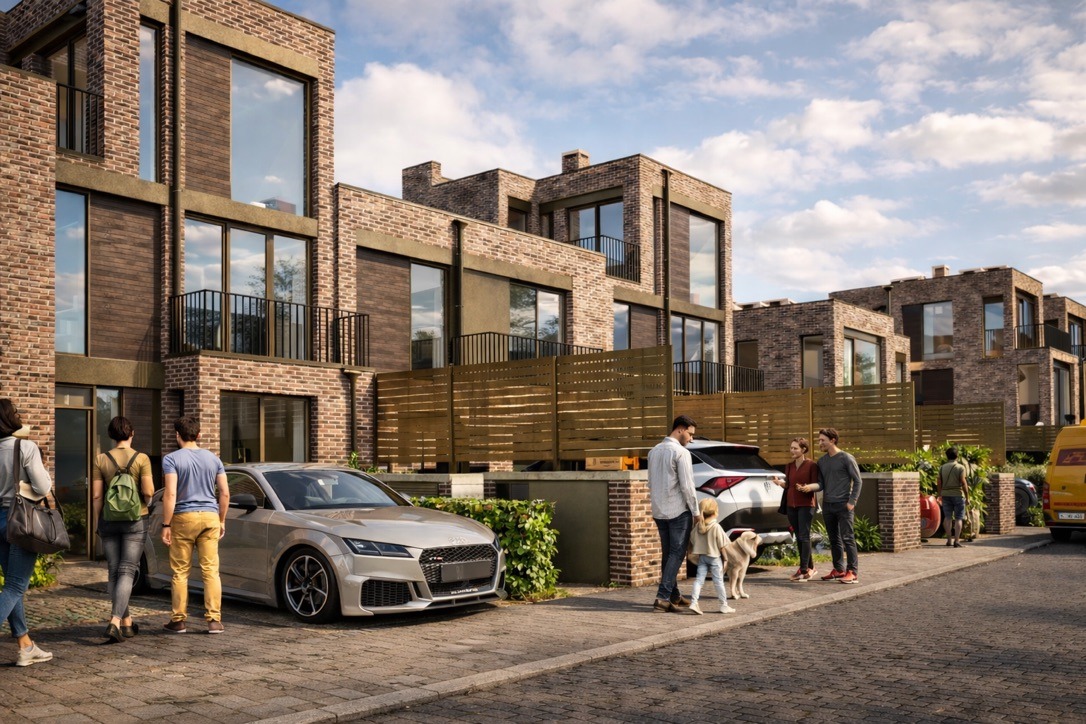
As architects, we need to be looking seriously at alternative approaches to the housing crisis, and it struck me that there may be something in revisiting and rethinking this typology. It is not a new idea, and there have been more recent examples, but it has yet to re-enter the mainstream.
The usual arguments are around viability and land values. Developers are understandably cautious about taking risks on typologies that are not well tested in the market, and agents will often question their saleability.
But many first-time buyers are looking for one- or two-bedroom homes as a way onto the housing ladder. Not all of them want an apartment; many would prefer a house. Given the limited availability of this type of product, there does seem to be a gap in the market for smaller-scale, higher-density housing along the lines of the Victorian terrace.
With children in their twenties, and through conversations with younger graduates in our office, it is clear just how difficult the situation is for this generation. Between student debt, high rents and a low-growth economy, access to housing is a real challenge.
Finding ways to address this is something I feel strongly about.
Many young people are less concerned with having large amounts of private outdoor space and would be unlikely to make much use of a rear garden.
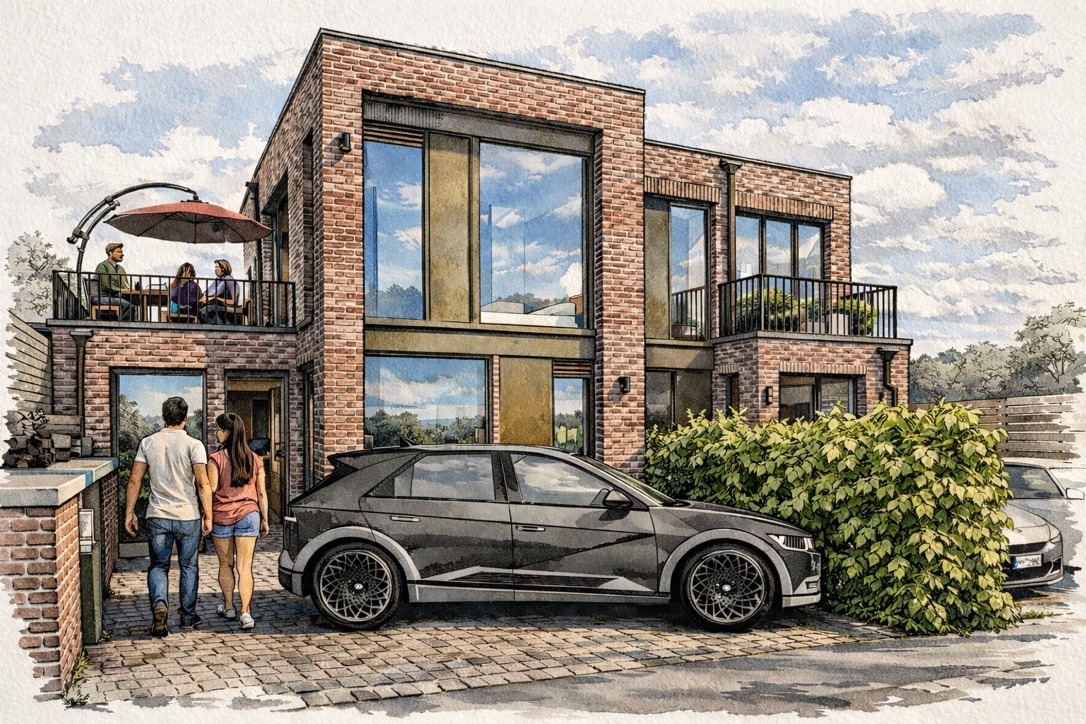
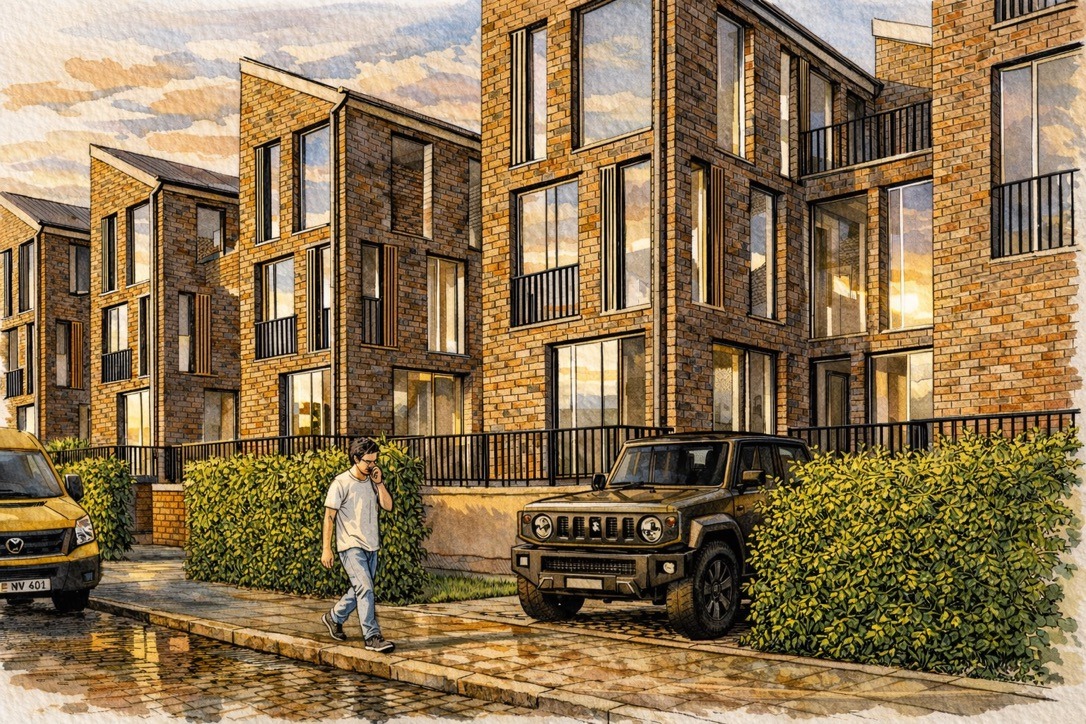
With that in mind, we have been developing a series of prototype back-to-back housing solutions. These homes comply with the Nationally Described Space Standards, are highly insulated, and incorporate sustainability measures such as photovoltaic panels, battery storage, and air source heat pumps. Depending on the site, they can include a small front garden and dedicated parking, along with integrated EV charging, provision for bins, bikes and plant enclosures.
Our first prototype followed a more traditional back-to-back terrace arrangement, offering standard layouts for one-, two- and three-bedroom houses. One of the key advantages is efficiency: aside from end units, each house shares three party walls, leaving only the front elevation exposed, which reduces heat loss and simplifies construction.
In looking into why back-to-backs fell out of favour, we found that much of it relates to their association with poor living conditions, which led to regulatory changes – particularly around the issue of cross ventilation. We addressed this by introducing a lightwell to the rear, bringing daylight and ventilation into the deeper parts of the plan.
While this typology is highly efficient and increases site density, it became clear that the single-aspect nature of the units meant that some would inevitably face north, which is far from ideal.
We therefore developed a revised L-shaped layout to create dual-aspect homes with proper cross ventilation. This approach also allows for one-, two- and three-bedroom houses within the same footprint, and introduces terraces at ground and upper levels to offset the lack of a traditional rear garden.
The original prototype still has a role to play, however, particularly when used selectively – for example, at the ends of terraces to avoid long stretches of blank gable wall.
Beyond efficiency, this type of housing can help create more cohesive, tight-knit communities, with dual-aspect streets and a stronger sense of enclosure on constrained sites. With the density benefits it offers, it has the potential to deliver well-designed, liveable homes at an accessible price point.
If you’re embarking on a new housing scheme and want to explore ideas further, contact us and we’d be happy to chat.